
Style
Grammar vs. Style: What Browser Extensions Miss
Most writing extensions flag what is technically wrong. Fewer flag what sounds off. The difference matters more than most writers realize.
Grammar guides, tone advice, and perspectives on professional English from the Linguix team.
Most writing extensions flag what is technically wrong. Fewer flag what sounds off. The difference matters more than most writers realize.

After analyzing thousands of correction sessions, a handful of error patterns appear far more often than others. Here is what the data shows.
Tone is harder to check than grammar. It depends on context, relationship, and expectations the writer often cannot see from the inside.

Grammatically clean sentences can still confuse readers. These five patterns are the ones we encounter most often in professional writing.

Building a grammar model for professional writing meant going beyond the usual academic corpora. This is how we built a dataset that reflects how people actually write at work.

Some grammar rules are absolute. Most depend on what the sentence is trying to do. Teaching an AI to tell the difference is the harder problem.

A grammatically correct email can still miss its mark entirely. We think more about style suggestions than grammar checks because that is where the gap actually shows.

The people who write most effectively at work share a small set of habits. Most of them are not about writing at all.
Comma splices are one of the most-flagged grammar errors in automated tools. They are also one of the most misunderstood in real professional contexts.
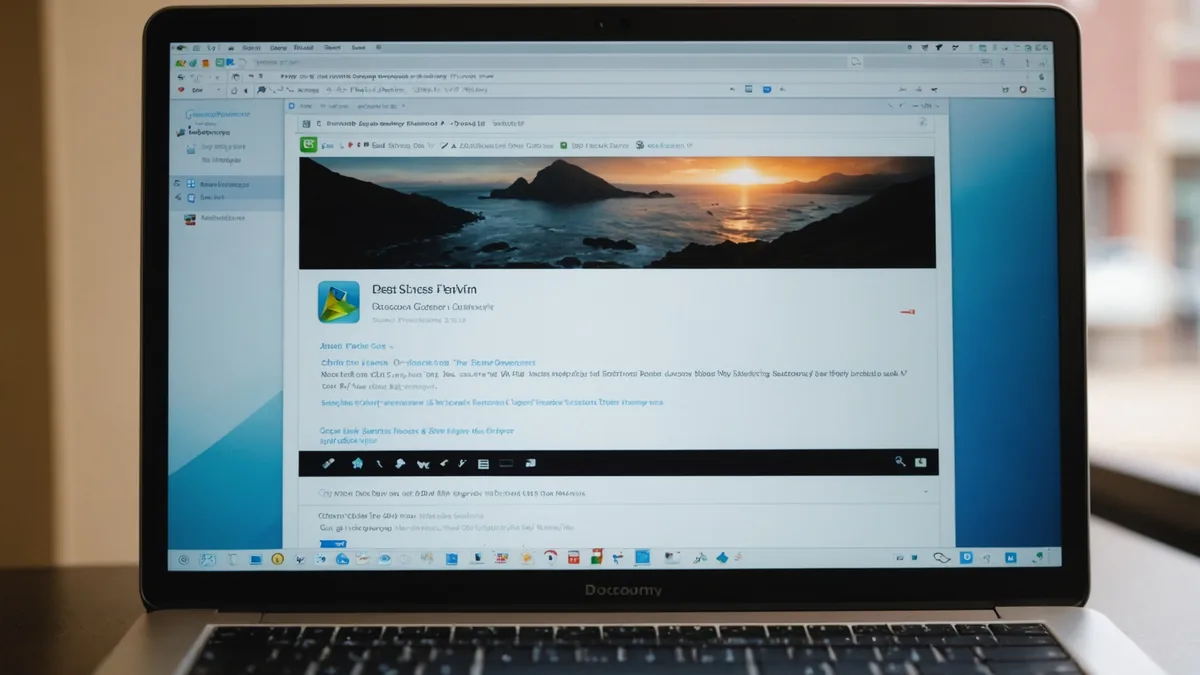
A walkthrough of how the extension activates, what it checks, and how it delivers suggestions without interrupting the writing experience.

What we got right, what we got wrong, and what the first users told us that changed how we think about writing assistance.

Spellcheck catches typos. It does almost nothing for the patterns that make non-native writing harder to read. Here is why that gap exists and what actually helps.
Linguix applies what we have learned to your writing, in real time.